Cat Behavior in Gwinnett County
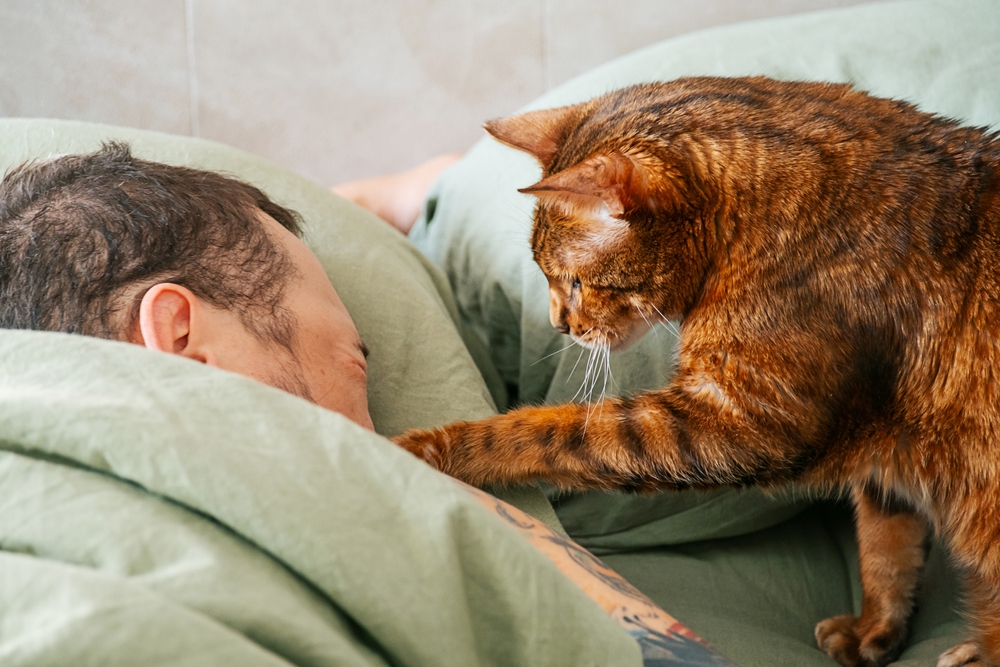
Cats may display behaviors that are considered undesirable by caregivers; however, many of these actions are natural and instinctual for the cat. By gaining a better understanding of the reasons behind these behaviors and applying positive reinforcement techniques, caregivers can effectively guide their cats toward more acceptable alternatives in a compassionate and supportive way.
Because cats are good at masking illness, it may be difficult to tell if your cat is sick. Look for changes in its behavior, physical appearance, appetite, and litter box habits. Key indicators include lethargy, hiding, changes in grooming, weight loss or gain, increased or decreased appetite, increased thirst, vomiting, diarrhea, and new vocalizations or breathing difficulties. Any significant and sudden change warrants a visit to the veterinarian, as cats are skilled at hiding their discomfort.
Behavioral Changes
- Vocalization changes: Be concerned if your cat is much more or less vocal than normal.
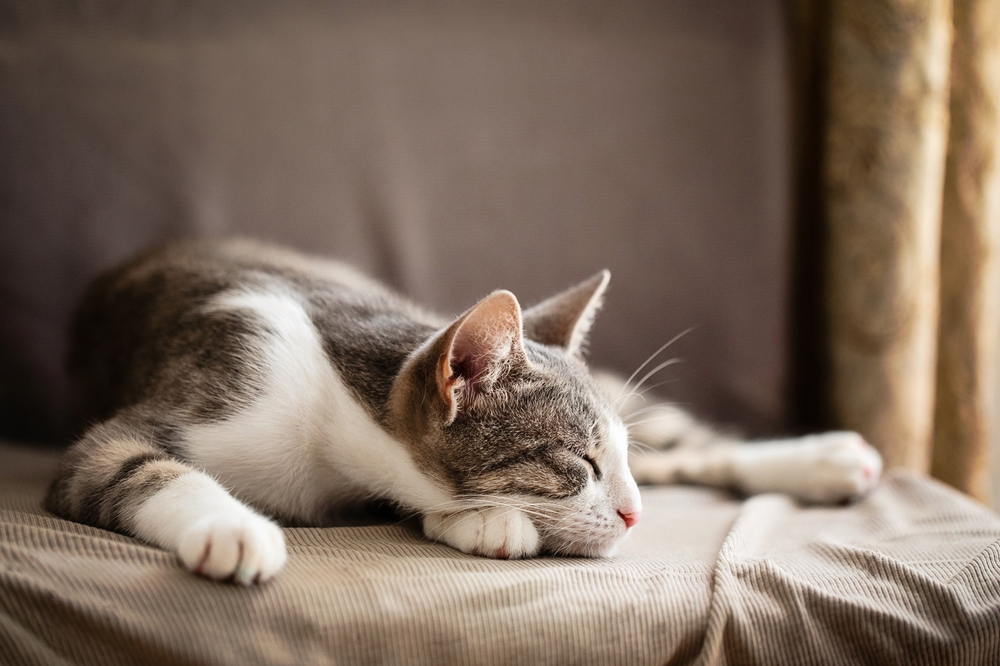
- Lethargy and hiding: A sick cat may sleep more than usual, be unwilling to play, or hide in unusual places.
- Changes in mood: They might become unusually irritable, aggressive, or clingy.
Physical Changes
- Breathing: Look for rapid breathing, shortness of breath, or wheezing.
- Eyes and nose: Watch for discharge, which can be clear, green, or white.
- Bad breath: Foul-smelling breath can indicate an issue.
- Physical appearance: A hunched posture or a change in graceful movement can be a red flag.
- Grooming habits: A neglected coat, dull fur, matted fur, excessive shedding, or patchy hair are signs of poor health.
Changes in Weight and Appetite
- Thirst: Pay attention if your cat is suddenly drinking much more water than usual.
- Weight: Noticeable and unexplained weight loss or gain can be a sign of illness.
- Appetite: A sick cat may refuse to eat, eat less, or suddenly seem ravenous.
Litter Box Habits
- Urination outside the box: Inappropriate urination is a common sign of a health problem.
- Vomiting or diarrhea: These are common symptoms of a sick cat.
- Increased or decreased urination: Look for “flooding” in the litter box, which can indicate increased urination.
It is very possible to correct behavior issues in cats, with the key being an understanding of what is causing the behaviors and taking the appropriate steps to address them.
Provide Alternatives and Address Needs:
- Offer suitable outlets: Provide plenty of scratching posts, elevated areas, and toys to satisfy a cat’s natural instincts for climbing, scratching, and playing.
- Stimulate your cat: A bored or energetic cat is more likely to act out. Increase daily interactive play sessions to help them burn off energy.
- Use environmental deterrents: Make undesirable spots less appealing by using double-sided tape on a counter or a motion-activated air spray, which creates an unpleasant consequence the cat will associate with that spot, not with you.
- Maintain cleanliness: Wipe down surfaces to remove food smells that might tempt your cat to jump on counters.
Calico cat playing with rainbow band wand.
House-Soiling or Marking
Why it Happens — House-soiling or marking could result from a medical condition or from something in the cat’s environment (e.g., stress-related).
What You Can Do
Contact Us
How to Find a Qualified Feline Behaviorist
If medical causes are ruled out, a referral to a board-certified veterinary behaviorist, a PhD in animal behavior, or a veterinarian with additional training in feline behavior may be needed if meeting the cat’s environmental needs does not stop the behavior.
At Abbott Animal Hospital, your pet is our priority. If you have any questions, don’t hesitate to call our team at 770.921.2121, or you can email us at serviceabbottanimal@gmail.com. Our staff would love to talk with you!
Don’t forget to follow us on social media: Facebook, Instagram.