Dog Spaying and Neutering in Gwinnett County
Dog Spaying and Neutering in Lilburn, GA
Experienced Surgical Care at Abbott Animal Hospital
Spaying and neutering are among the most impactful decisions you can make for your dog’s long-term health. While these procedures are commonly associated with preventing unwanted litters, their real value lies in disease prevention, behavior management, and overall quality of life.
At Abbott Animal Hospital, we approach spay and neuter surgery with careful planning—not as a routine checkbox. Every dog is different, and decisions about timing, anesthesia, and recovery should reflect that.
If you’re considering scheduling your dog’s procedure, our team in Lilburn is available to guide you through the process.
Call 770.921.2121
What are the typical steps to having my dog spayed or neutered?
If your dog needs a veterinarian in or near Lilburn, GA, we’d be thrilled to help with the procedure. Give us a call at 770.921.2121 today to schedule their first appointment.
What are the health benefits of spaying my dog?
Eliminates Risk of Uterine Infections (Pyometra): Pyometra is a serious, life-threatening bacterial infection of the uterus that commonly affects older, unspayed females and often requires emergency surgery. Spaying removes the uterus and ovaries, eliminating this risk entirely.
Significantly Reduces Mammary Cancer Risk: The most notable benefit of early spaying is the drastic reduction in the incidence of mammary gland tumors (breast cancer).
- Spaying a dog before her first heat cycle offers the best protection, nearly eliminating the risk (a risk of approximately 0.5%).
- The risk increases to 8% after one heat cycle and 26% after two heat cycles.
Prevents Ovarian and Uterine Cancers: Spaying removes the reproductive organs, entirely preventing the development of ovarian and uterine cancers, which can be fatal.
Increased Lifespan: Studies have shown that spayed female dogs live longer on average than intact females, likely due to the prevention of these serious diseases and reduced risk of trauma from roaming.
Prevents Heat Cycles: An unspayed female typically goes into “heat” two times a year, a period associated with restlessness, vocalizing (howling or yowling), and a messy discharge. Spaying eliminates these cycles.
Reduces Roaming Instincts: Intact females may try to escape the house or yard to find a mate, increasing their risk of injury from traffic accidents or fights with other animals.
Prevents Unwanted Pregnancies: Spaying ensures you do not have to worry about accidental litters, which helps reduce the problem of pet overpopulation in shelters.
More Predictable Temperament: While a dog’s core personality won’t change, removing hormone fluctuations can lead to a more consistently calm demeanor and a dog that is easier train.
What are the health benefits of neutering my dog?
When is the right time to spay or neuter?
Timing should be individualized based on your dog’s size, breed, and development.
At Abbott Animal Hospital, general guidelines include:
- Small to medium breeds: approximately 6–9 months
- Large and giant breeds: may benefit from delayed timing (up to 12–24 months in select cases)
We typically begin this discussion during puppy vaccination visits and adjust recommendations as your dog grows.
What will my veterinarian need to know about my dog before spaying or neutering them?
Before we spay or neuter our dogs, we typically get pre-anesthetic blood work because we use general anesthesia, and these are invasive procedures. This blood work ensures that all their organs are functioning appropriately, and they can handle the anesthesia like we want them to.
We also like to know how old the dog is, so hopefully, you have an idea. We can determine that on a physical exam within a certain amount of time. Your veterinarian will also want to know your activity level at home to determine how the recovery will be.
How long will it take for my dog to recover from being spayed or neutered?
The recovery from spays and neuters in dogs is generally about 2-3 weeks. Our male dogs tend to bounce back right after this outpatient procedure, so you drop them off at the hospital in the morning, and then they go home with you later that evening. Sometimes they’re a little bit sleepy that night after being under anesthesia, but they tend to have pretty good energy the next day and are feeling well again.
We ask that you minimize certain activities and overexertion because tissue healing occurs during those first two to three weeks after the procedure. We’ll typically recommend exercise restrictions for 10 to 14 days, so keep it to short leash walks to go potty, and that’s it. The tissues start to heal back together during that time, so that’s the most critical period. The biggest job for you as a pet owner is to keep an eye on that surgical incision to make sure that it doesn’t look irritated, that the dog isn’t excessively irritating the surgical site, and also to make sure they’re not jumping up on the couch and affecting that surgical area. In general, though, it’s a relatively quick recovery.

What to Expect: From Consultation to Recovery
Pre-Surgical Planning
Before Surgery
Before surgery, we:
- Perform a physical exam
- Recommend pre-anesthetic bloodwork to assess organ function
- Review your dog’s medical history and lifestyle
Day of Surgery
- Morning drop-off
- Procedure performed under general anesthesia with continuous monitoring
- Most dogs return home the same day
Recovery at Home
- Restrict activity for 10–14 days
- Short leash walks only
- Monitor the incision daily
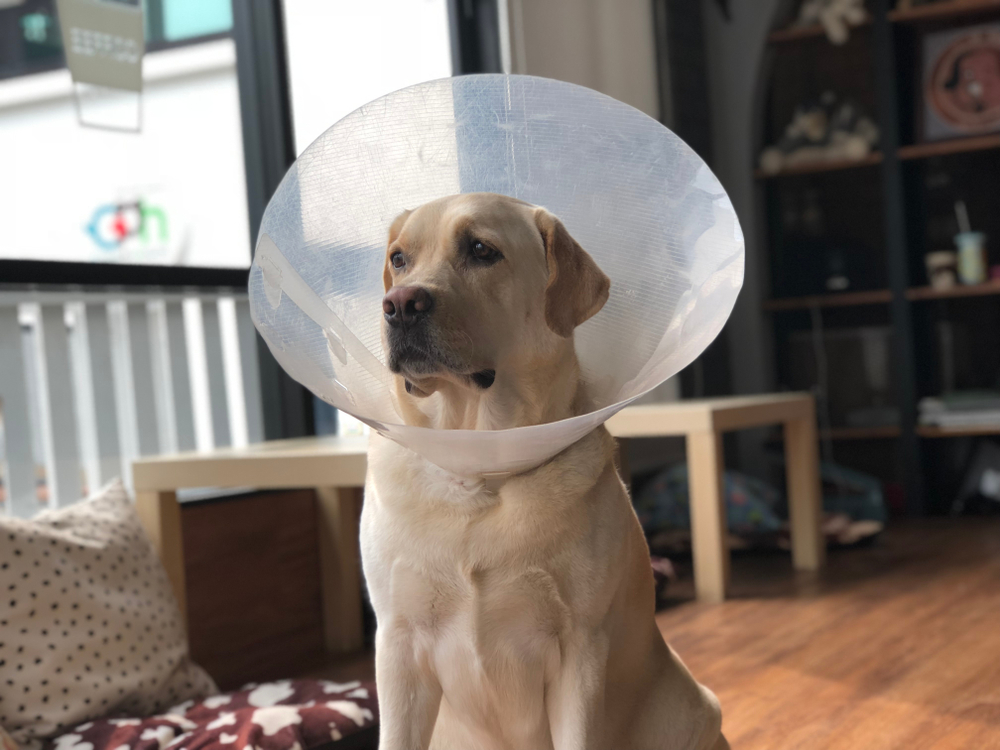
- Prevent licking or irritation
Male dogs often recover quickly, while females may require slightly more downtime due to the abdominal nature of the procedure.
Recovery Timeline
- First 24 hours: Sleepiness, mild appetite changes
- 2–3 days: Improved energy
- 10–14 days: Critical healing phase for incision
- 2–3 weeks: Full recovery
The most common complication is overactivity too soon—controlled recovery is essential.
At-Home Care After Spay or Neuter Surgery
Your role during recovery is key to a smooth outcome.
- Keep your dog in a calm, confined area
- Prevent running, jumping, or rough play
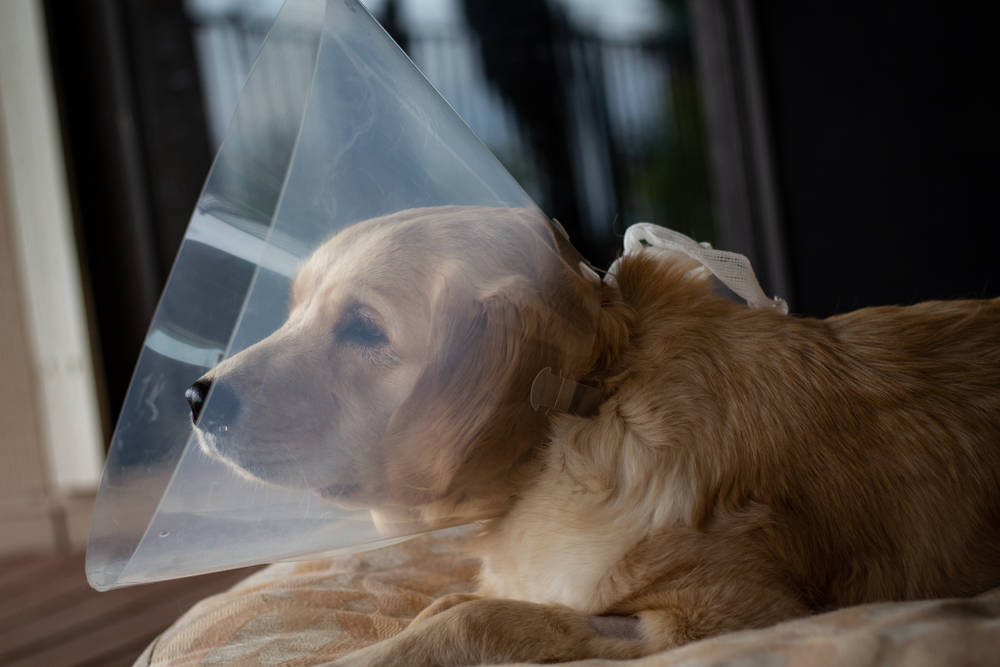
- Use an E-collar if needed
- Watch for signs of irritation such as redness, swelling, or discharge
For very active dogs, we may recommend temporary sedation to help protect the surgical site.
Why have your dog’s procedure done at Abbott Animal Hospital?
Spay and neuter surgeries are common—but the level of care surrounding them can vary significantly.
At Abbott Animal Hospital, we focus on doing these procedures thoughtfully and well.
Individualized Approach
We tailor surgical timing and anesthetic protocols to your dog’s specific needs rather than following a one-size-fits-all model.
Surgical Experience and Technique
Our team performs these procedures routinely with attention to minimizing tissue trauma and supporting efficient healing.
Dedicated Anesthesia Monitoring
Your dog is continuously monitored throughout the procedure, with adjustments made in real time for safety.
Proactive Pain Management
Pain control is built into every stage—from pre-medication through recovery at home.
Clear, Practical Communication
We explain what to expect in plain terms and remain available if questions arise after you go home.
Continuity of Care
As a privately owned, family-run hospital, we value long-term relationships. Many of our patients we meet as puppies and continue caring for throughout their lives.
If you live in or near Lilburn, GA, and are looking for quality pet care, come visit us at Abbott Animal Hospital where your pet is our priority. Contact us at 770.921.2121 to set an appointment, or email us at serviceabbottanimal@gmail.com. Our staff would love to talk with you!
Don’t forget to follow us on social media: Facebook, Instagram.