Pet Microchipping
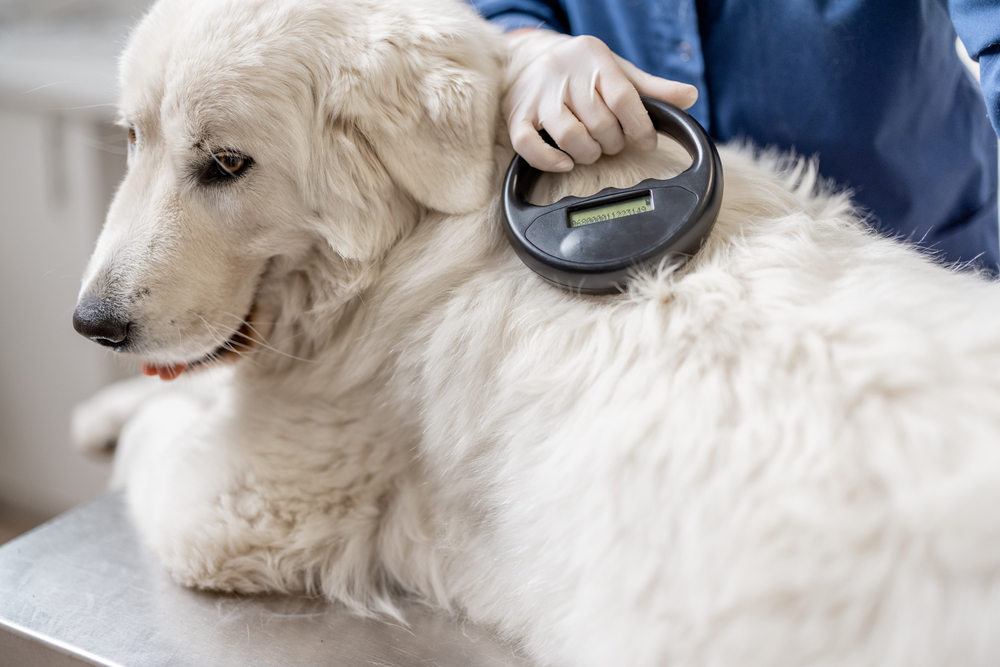
Microchipping your dog is a simple and effective procedure for permanent identification, greatly increasing the chance of being reunited if they get lost. The process involves a veterinarian or animal shelter professional injecting a tiny chip under the skin, which is no more invasive than a vaccination.
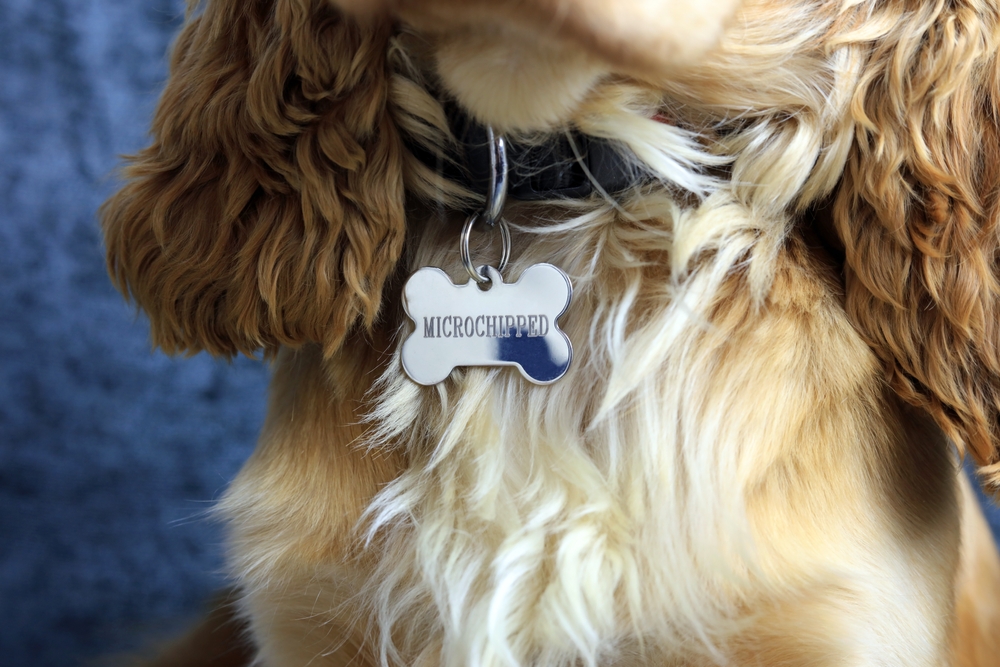
Microchipping your pet will make it much more likely your cat or dog will be returned to you!
How to Microchip Your Pet:
1. Schedule an appointment with a veterinarian, animal shelter, or a low-cost microchipping clinic.
2. Ensure the microchip is registered with a national pet recovery database. The chip only contains a unique ID number, so you must link it to your contact information (name, address, phone number, email). The vet may handle the initial registration, but you should verify this and keep a copy of the paperwork with the ID number.
3. A professional will implant the chip with a needle, usually between the shoulder blades. The procedure is quick, does not require anesthesia, and most dogs do not feel more than a brief sting. Many pets are microchipped while recovering from a spay or neuter procedure.
4. Keep your information current. If you move or change your phone number, you must update your details in the microchip registry’s database.
5. Have the chip scanned annually during your dog’s regular wellness exams to ensure it is still functioning and can be detected